
Developing Inclusive Agricultural Markets in Odisha India
Evaluation of the Agricultural Production Cluster (APC) program
Download
Associated Project
Learning Partnership on Developing Markets for Smallholders in Odisha, India
Prepared for:
The Gates Foundation
Key Findings
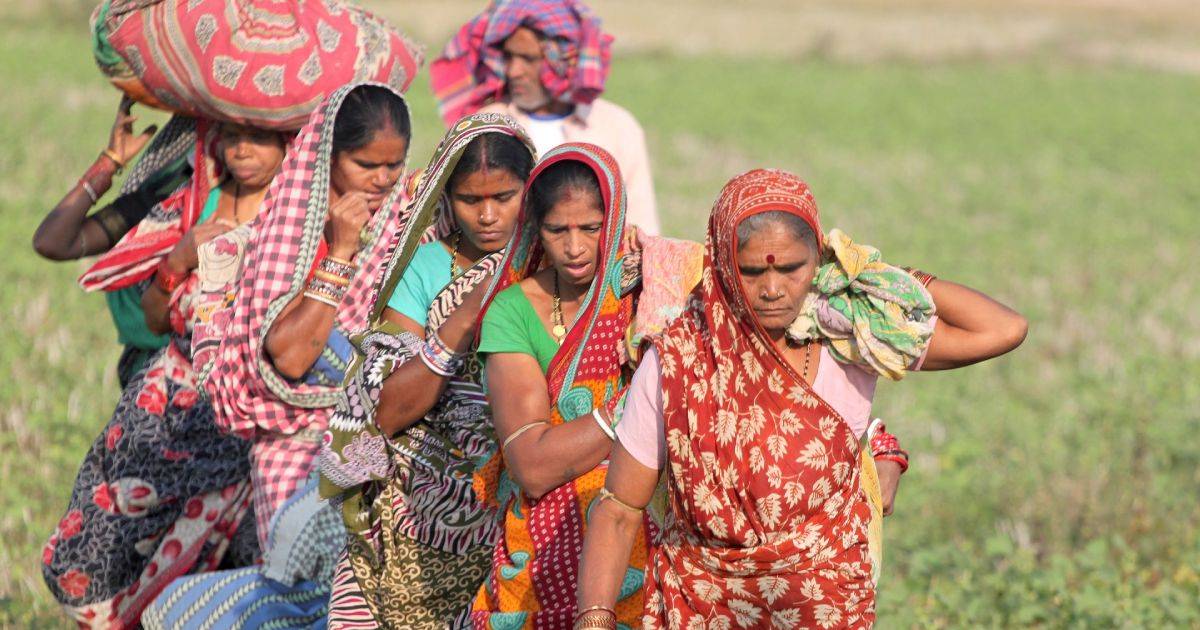
- The Agriculture Production Clusters (APC) program increased access to markets for more than 122,000 female small-scale producers by organizing them into 932 producer groups (PGs) and 32 producer companies (PCs).
- After four years, PG members had an average annual net agricultural income about 40 percent higher than the comparison group, and 70 percent higher than the comparison group for PG members who were highly engaged in the project.
- Innovative aspects of the project model include a federated structure mobilizing farmers from the bottom-up to foster community ownership, strong linkages to government support schemes, and a collaborative and rigorous method for selection of high-value "winner crops".
The Agriculture Production Clusters (APC) project implemented by PRADAN and its partners increased female small-scale producers’ access to markets in Odisha, India by organizing them into farmer producer organizations (FPOs) that synchronize production and sales of horticultural “winner crops”. Mathematica’s mixed-methods evaluation finds that the APC program resulted in a fundamental shift in the agricultural market for women farmers that has meaningfully improved their economic wellbeing. With improved access to more expansive and reliable buyer and input supplier networks—and increased access to irrigation and other support through government convergence—the farmers increased their marketable surplus and became more commercially oriented. The project’s FPOs had achieved operational and financial stability. However, longer-term sustainability and growth will require a clear financing mechanism for critical field-level support roles, linkages to address FPO’s needs for additional formal financing, ongoing technical support to strengthen FPO governance and technical capacity, and renewed efforts to meaningfully engage members.
More like this from Mathematica
Publication
Trusting your LLM
Publication
Strengthening a Family-Serving Organization
Efficiency Meets Impact.
That's Progress Together.
To solve their most pressing challenges, organizations turn to Mathematica for deeply integrated expertise. We bring together subject matter and policy experts, data scientists, methodologists, and technologists who work across topics and sectors to help our partners design, improve, and scale evidence-based solutions.
Work With Us